
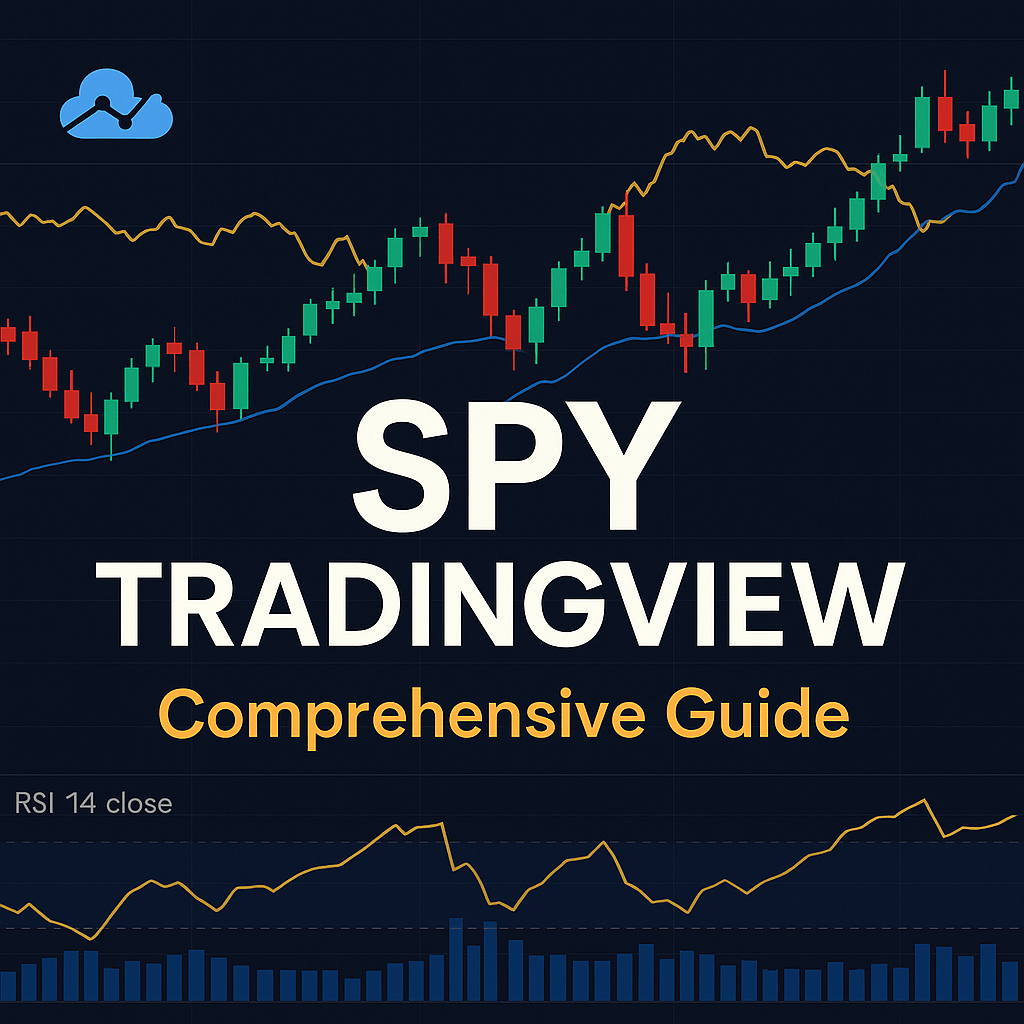
Spy TradingView is a common term used by traders and investors who analyze SPY on the TradingView platform.
SPY is the ticker symbol for the SPDR S&P 500 ETF Trust. For those who don’t know, this is a highly popular exchange-traded fund(ETF) that tracks the S&P 500 Index’s performance.
SPY’s main purpose is to track the performance of the S&P 500 Index.
For starters, the S&P 500 Index represents the top 500 largest publicly traded entities in the United States, including:
- Apple Inc. (AAPL).
- Microsoft Corporation (MSFT).
- Alphabet Inc. (GOOGL).
- NVIDIA Corp (NVDA).
- Johnson & Johnson (JNJ).
- JPMorgan Chase & Co. (JPM).
- Berkshire Hathaway Inc. (BRK.B).
- Meta Platforms Inc (META).
On the other hand, TradingView is a powerful charting platform and social network used by millions of traders and investors worldwide to identify opportunities across various financial markets.
Its main competitors include ActTrader and MetaTrader, although these two are primarily designed as trading terminals.
While TradingView was originally built as a charting platform and a social network for traders, it can also function as a trading platform through supported broker integrations.
The term “Spy TradingView” is commonly searched by traders due to several reasons, including the following:
1. SPY is Highly Popular and Liquid
As I stated earlier, SPY is the ticker symbol for “SPDR S&P 500 ETF Trust”.
The SPDR S & P 500 index tracks the performance of the top 500 largest entities in the US, including the companies mentioned above. Here’s a comprehensive list of these companies.
Investors always want to analyze SPY’s price movements on TradingView as they reflect the overall U.S. stock market performance.
2. TradingView As A Preferred Charting Tool
Many traders and investors prefer TradingView to other charting tools because of its better features. It’s another reason why SPY Tradingview is a common search term.
TradingView offers powerful charting tools with a wide range of technical indicators alongside drawing features.These features help traders study the S&P 500 Index price action in detail.
Common technical indicators used to analyze SPY TradingView analysis include:
- Trend indicators.
- Momentum indicators.
- Volume-based indicators.
- Volatility indicators.
- Support/resistance & market structure tools.
Meanwhile, popular drawing tools include tools for price action & technical analysis and those for chart patterns and visualization.
3. Real-Time Data and Customization
Another reason many traders and investors are searching for the SPY TradingView term is to get real-time or near real-time S&P 500 Index charts with customizable views. I am talking about various charts such as candlesticks, volume, moving averages, RSI, and MACD. Using the customizable charts on the TradingView platform enables them to make better trading decisions.
4. Community and Ideas Sharing
TradingView is more than a charting platform with tons of great charting tools. Additionally, it is a great social networking platform for online traders. It allows traders to share ideas, analyses, and strategies about SPY(SPDR S&P 500 ETF Trust). Searchers who search this term on the TradingView charting platform usually find valuable community insights and trade setups.
5. Strategy Testing and Alerts
Additionally, many traders use TradingView to backtest their SPY trading strategies. They also use it to set price levels and indicator signal alerts, making the term highly relevant for active traders.
How To Perform Proper SPY Tradingview Analysis
Here are 10 essential tips to perform proper SPY (S&P 500 ETF) analysis using TradingView. Whether day trading, swing trading, or investing long-term, these tips will help you spot high-probability setups, better understand overall market trends, and make informed decisions.
1. Understand The Trends Affecting Your Spy Tradingview Strategy
Start with a clean, multi-timeframe chart, beginning with a daily or weekly timeframe to understand the long-term trend. For shorter-term trends, zoom into the 4-hour, 1-hour, or 15-minute charts.
Also, don’t be afraid to use the “Compare” tool to overlay other indices like the Dow Jones Industrial Average (DJIA) index or NASDAQ-100 Index.
2. Moving Averages And Trends Matter In SPY TradingView Analysis
This article breaks down these technical analysis tools, explaining how they work, their types, and how to use them effectively to determine trends.
3. Support and Resistance Levels Also Matter
Plot support and resistance levels, using horizontal lines to mark Previous Highs/Lows, Gap Zones, and Psychological Levels. Additionally, check how SPY—the exchange-traded fund reacts near these zones.
4. Volume Indicators
Apply volume indicators, keeping at the back of your mind that volume confirms price moves.
Use the Fixed Range volume profile to find high-activity zones, and spot volume spikes during breakouts or reversals.
5. Momentum Indicators Will Help Your SPY Analysis
Track momentum indicators, using RSI and MACD—two of the most widely used indicators. For example, an RSI above 70 implies overbought conditions, while an RSI below 30 suggests oversold conditions. Meanwhile, MACD crossovers near the zero line indicate trend changes.
For early signals, use divergences, which can enable you to spot a signal of a potential reversal or weakening trend before it becomes obvious on the chart.
6. Chart Patterns
Watch for chart patterns by looking for classical patterns such as Head & Shoulders, Double Tops/Bottoms, Triangles, and Flags. Use rectangle tools or trendlines to draw patterns.
7. Fibonacci Retracements Will Help Your SPY TradingView Strategies
Add Fibonacci retracements to spot pullback entries or targets. Below are the key retracement levels:
- 23.6%
- 38.2%
- 50%
- 61.8%
- 78.6%
8. TradingView Alerts and Custom Indicators
Use TradingView alerts and custom indicators to identify key levels or moving averages seamlessly and effectively. Don’t be afraid to explore SPY heatmaps, volume analysis, VWAP-based tools, and other community indicators.
9. Market Sentiments And Your SPY TradingView Analysis
Monitor market sentiment since SPY normally reacts to macroeconomic events. Use TradingView’s features, such as the economic calendar, earnings data, and news tab.
10. Backtest Your SPY TradingView Strategies In Real Time
Use advanced TradingView features such as Bar Replay to do that, and be sure to review your trade ideas frequently for improvement.
Final Thoughts
In short, Spy TradingView is a popular search term because it brings together interest in one of the most actively traded ETFs with the powerful capabilities of a top-tier charting and idea-sharing platform–TradingView.
Whether you’re an experienced trader or just getting started, analyzing SPY using TradingView’s robust features is a smart way to stay ahead in the markets.
As a highly liquid ETF that tracks the S&P 500 index, SPY is a strong indicator of U.S. market sentiment, and TradingView offers the ideal environment to explore it in depth.
With access to real-time charts, customizable indicators, community-driven insights, and strategy testing tools, TradingView empowers you to make informed, data-backed trading decisions.
By following the tips in this comprehensive SPY Tradingview guide, you’ll be better equipped to identify high-probability setups and navigate market trends with greater confidence.
Report A Scam
These days, scams are rampant, and without proper caution, it’s easy to fall victim to a scammer while trying to execute your SPY TradingView strategy. If that has unfortunately happened to you, visit this page or email [email protected] to report the scam and get help.