
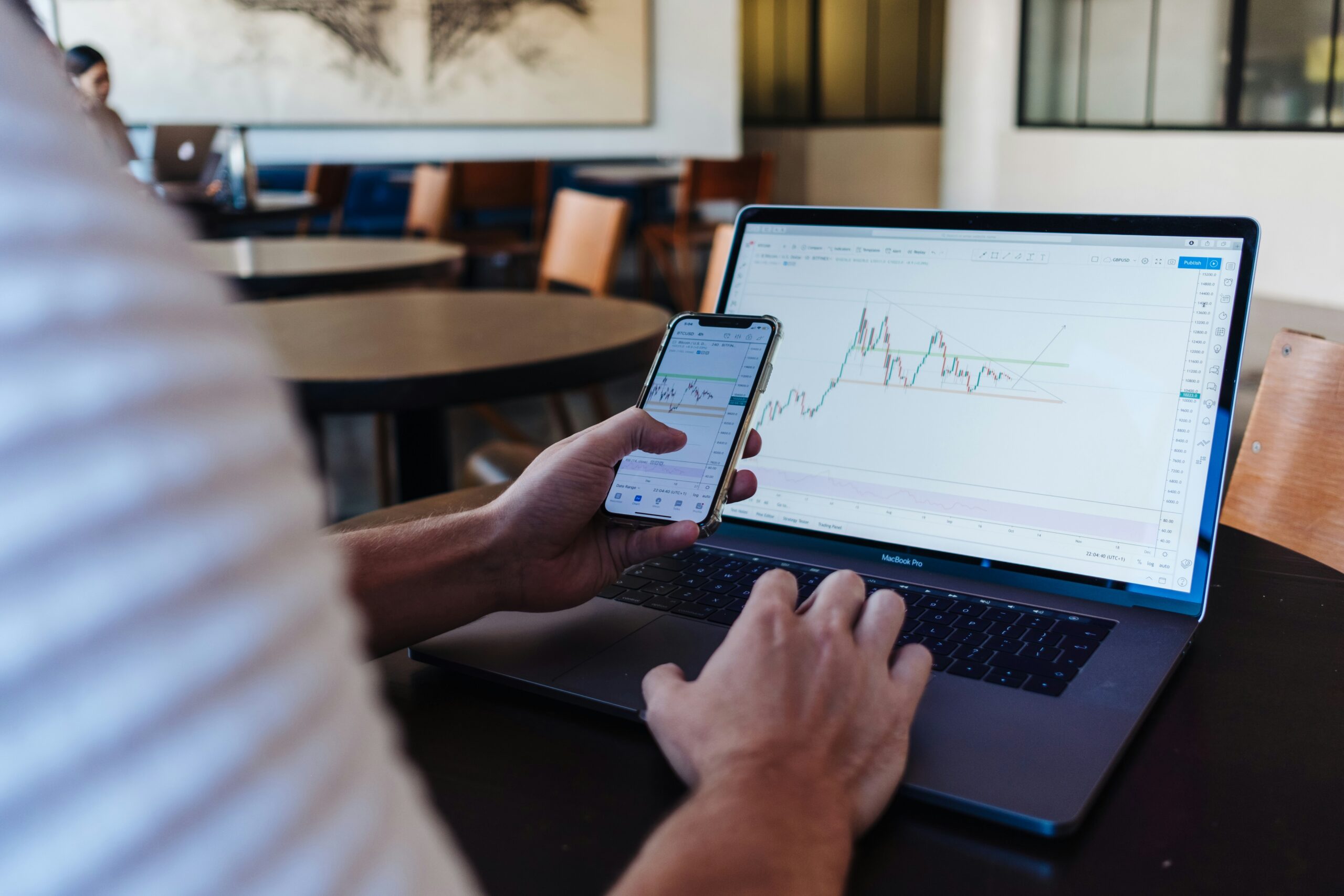
Forex trading is it a scam or legitimate? The simple answer is: it’s not a scam—it’s a real thing. Before expounding further on why forex trading is a legitimate opportunity to make money, allow me to explain in detail what forex really is because many people misunderstand it. This misunderstanding has led many to believe it’s a scam.
So What Is Forex Trading?
To begin with, the word “FOREX” is short for the phrase “Foreign Exchange”, a global marketplace where currencies are traded. Therefore, FOREX trading simply refers to the act of trading foreign currencies through this marketplace. Market participants include private individuals, financial institutions and other institutions, as well as governments.
FOREX Facts
- The FOREX market is the largest and wealthiest financial market globally.
- Nearly 6.6 trillion dollars are traded within this financial market daily.
- The world mostly trades the following currency pairs; EUR/USD, GBP/USD, AUD/USD, USD/CHF, and USD/JPY. We call these currency pairs “major currency pairs”. The rest are known as “minor currency pairs,” and generally have lower trading volumes.
- Forex trading can be addictive just as betting.
- Forex trading success rate is relatively low(5%-10%), with 90%-95% of traders often losing money.
How Does Forex Trading Work?
In forex trading, there’s something called “currency pairs” whereby tradable currencies are grouped into pairs e.g.:
- EUR/AUD(Euro / Australian Dollar).
- EUR/GBP(Euro / British Pound).
- EUR/CAD(Euro / Canadian Dollar).
- EUR/JPY(Euro / Japanese Yen).
A currency pair has two components: the base currency and the quote currency.
- The former refers to the first currency listed in the pair, and it represents the amount of currency you are buying or selling with respect to the quote currency.
- On the other hand, the latter refers to the second currency in the pair.
Buying a currency pair means acquiring the base currency and selling the quote currency.
For example, when you see a listing such as 1.400 for EUR/USD on the forex marketplace, it means that 1 EUR(euro) is equivalent to 1.400 US dollars(USD). When you buy this pair, you acquire euros and sell dollars. On the other hand, when you sell it, you release the euros and acquire the dollars.
Currency pairs are the fundamentals of forex trading, which is all about purchasing one currency and selling the other simultaneously.
How Do You Buy or Sell Currency Pairs?
You start by finding a trustworthy forex trading platform that will give you access to the marketplace. Notably, Dukascopy, JustMarkets, IC Markets, and ainsliecrypto.com.au, are some of the trading platforms that I can recommend.
Once you create a trading account and fund it, you’ll be able to perform any of the above actions.
Forex trading platforms generally feature buy and sell buttons, allowing you to purchase or sell a currency pair with the click of a button.
As a trader, you can make profit or loss, depending on the price movements. Several factors will influence this movement, including:
- Demand and supply
- Inflation
- Politics
- Interest rates
- Global events
Back To The Subject Matter: Forex Trading Is It a Scam Or Not?
As I said earlier, forex trading is not a scam even though it has been widely misunderstood as one.
There are several reasons many conclude that it’s a form of fraud:
- The relatively high failure rates with 90%-95% of traders always making losses.
- Numerous scam forex trading websites that exist on the internet causing many to fall victim.
- Many do not understand how forex trading works.
How To Avoid Falling Victim To a Forex Trading Scam
- Research and do due diligence before signing up on any forex trading platform in which you have an interest. Find out whether or not the broker is licensed by a credible regulatory body like the FCA, ASIC, CySEC, and SEC.GOV. NOTE: Watch out for fictitious regulatory bodies as some scammers will list fake entities to fool you and gain your trust.
- Familiarize yourself with the primary red flags of dubious trading platforms. These include promises of high returns, being rushed to fund your account, and being contacted through unprofessional ways such as Telegram, Whatsapp and so on.
- Read reviews to see what others are saying about that particular trading platform.
NOTE: There is a big difference between user-generated reviews and reviews written by bloggers.
Generally, the former offer more authenticity as such reviews are often written by those who’ve had first-hand experience with the platform.
On the other hand, the latter may lack much credibility as those reviews are often written by authors some of whom may not have had actual experience with the platform.
There are also unscrupulous bloggers who will write positive reviews in exchange for money.
Trustpilot, Reddit, and X can be great places to find user-generated reviews.
- It’s good to choose a trading platform that supports payment methods that have some client protection in place. For example, PayPal, as well as many banks and credit/debit card companies have some kind of policy that allows you to claim your money back under terms and conditions. Beware especially wary of a trading platform that requires you to deposit funds strictly via crypto. Cryptocurrency transactions are relatively hard to trace and many scammers use that to avoid traceability.
- Avoid trading platforms that offer uncommonly high leverage ratios like 500:1 to 1000:1 or more. Normally, these ratios are meant to entice and lead you into a trap.
Forex Trading Is It a Scam Or Not? My Final Thoughts
The question as to forex trading is it a scam or a legitimate opportunity is one of the frequently asked questions about this financial market.
Forex is not a scam as many believe it to be. It’s a legitimate financial market that has many participants, including governments and some of those big financial institutions you know. However, you should approach it with extra caution as it entails a relatively high failure rate. You are likely to lose money 90%-95% of the time.
Report A Scam Incident
Have you lost money to a scammer? If so, go to this page to report the incident and seek help. You may also email [email protected].
PrimeBiome very informative articles or reviews at this time.